
WordFlow helps students learn the words most likely to block comprehension before they encounter them in class, using AI-powered book analysis, personalized vocabulary practice, and reading readiness insights for teachers.
.png)
ESSA Level IV evidence | Grades 6–12 | Works with physical books, ebooks, and audiobooks | 25,000+ vocabulary guides
Reading comprehension breaks down before students ask for help.
Research shows readers need 98-99% word knowledge for adequate comprehension*.
Students often hit vocabulary barriers silently. They skip words, lose the thread, rely on dictionary lookups, or disengage from challenging texts altogether.
Teachers know vocabulary matters, but manually preparing personalized word lists for every student and every book is nearly impossible.
Build confidence before the first page.
Students get short, gamified vocabulary lessons tied to the books they are about to read, helping them recognize key words, understand them in context, and maintain reading flow.

[insert wordflow video or gif]
[insert image of teacher dashboard]
Teacher dashboards can provide real-time information about student performance and progress, helping K–12 teachers adjust feedback to student needs.
See the vocabulary gaps before they become comprehension gaps.
Teachers can assign books, monitor student readiness, identify class-wide trouble spots, and use vocabulary data to support more targeted instruction.
Personalized vocabulary support without adding prep time.
See the vocabulary gaps before they become comprehension gaps.
Teachers can assign books, monitor student readiness, identify class-wide trouble spots, and use vocabulary data to support more targeted instruction.
WordFlow helps schools support reading comprehension, vocabulary growth, and differentiated instruction without requiring teachers to manually create word lists or overhaul existing reading workflows.
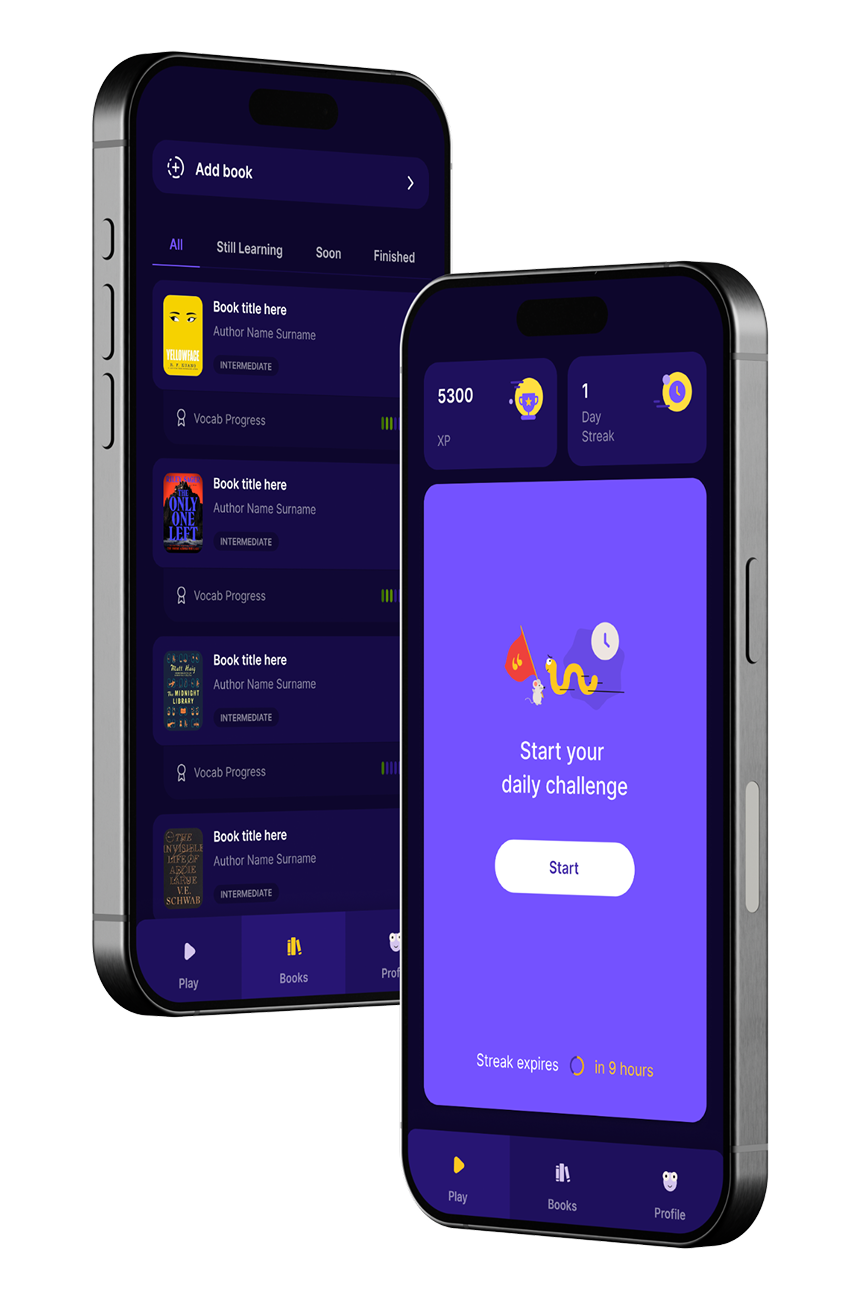
The Wordflow Solution

Predictive, not reactive
Students meet key vocabulary before reading, not during or after confusion sets in.

Context-based learning
Words are learned in the context of real texts, not isolated lists.

No extra teacher workload
No new grading, dashboards, or lesson redesigns.

Curriculum-aligned
Supports the texts teachers already assign.
Students recognize and use more Tier 2/3 vocabulary. Students report less frustration with challenging texts. Teachers identify individual and class-wide vocabulary gaps
Students engage more proactively with vocabulary prep. Teachers differentiate instruction using readiness data. Students rely less on disruptive dictionary lookups
Stronger reading comprehension. More confidence with challenging books. More targeted vocabulary instruction across classrooms
.png)
WordFlow pilots are designed to fit into existing ELA or reading blocks with minimal teacher lift. Students complete short vocabulary lessons, teachers monitor readiness and progress, and schools receive a pilot summary with engagement and vocabulary growth insights.
Week 1: Setup and onboarding
Weeks 2–5: Daily vocabulary practice
Week 6: Review engagement, readiness, and vocabulary growth